There are two main options for breast reconstruction: 1) reconstruction using a flap of your own tissue and 2) reconstruction using a breast implant. It’s important to know that while breast reconstruction rebuilds the breast, it won’t be exactly the same as it was before the mastectomy. Your surgeon can discuss which approach is best for you.
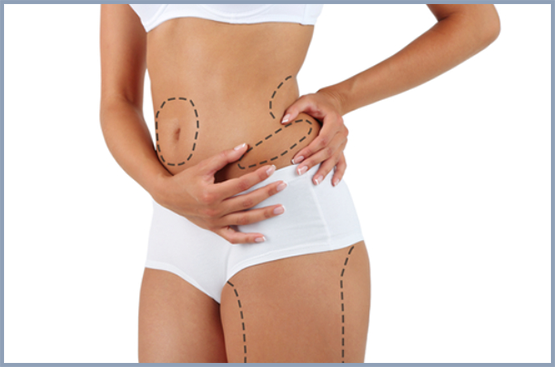
Option 1: Tissue Flap
Reconstruction using a flap of your own tissue involves using tissue from another area of your body (e.g. stomach, back, thigh) and shaping it into a new breast. The tissue can be separated from it’s original blood vessels and picked up and moved to its new place in your chest. This is frequently referred to as a “free flap.” Alternatively, the tissue can remain attached to its original blood vessels and moved under your skin to your chest. This is often referred to as a “pedicled flap.” With both types of flap procedures, the tissue is formed into the shape of the breast and stitched into place.
Determining which approach is right for you will depend on certain factors, including:
- Your body type
- Size and shape of breast(s) before the mastectomy
- Amount of skin and breast tissue left after the mastectomy
- Stage of your cancer
- Planned treatments, such as chemotherapy and radiation
- Hospitals and plastic surgeons in your area
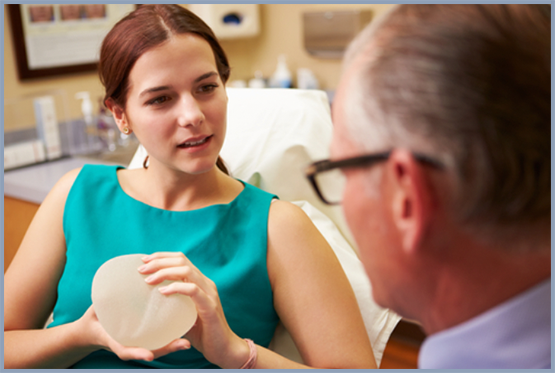
Option 2: Breast Implant
The most common type of reconstruction surgery with breast implants is two-stage reconstruction, in which a tissue expander is used. During a mastectomy, breast tissue and some skin will be removed, leaving your chest flatter and tighter. For many women, there will not be enough space for a breast implant or enough skin and tissue to cover the implant, so a tissue expander is implanted during the first stage procedure to create space for the breast implant.
A tissue expander is a balloon-like device and has a silicone shell. The tissue expander is gradually filled over time with carbon dioxide or saline, depending on the type of expander you receive. The expansion will cause your breast skin and tissue to gradually stretch, similar to how a woman’s stomach stretches during pregnancy. The stretching creates a space (called a “pocket”) for the breast implant. The second stage procedure involves removing the tissue expander and replacing it with a breast implant. Tissue expansion may cause discomfort and physical distortion of the breast. Talk to your surgeon so you are well-informed and prepared to decide the best option for you.





 Main Menu
 Back to Top
